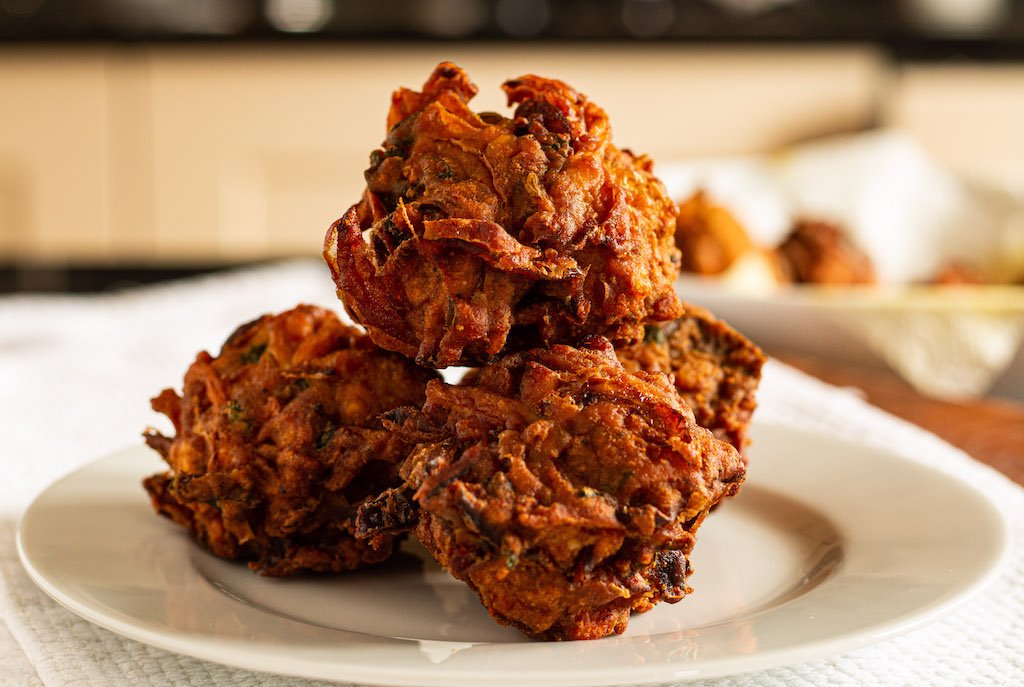
Ever crave that irresistible crunch of perfectly fried Indian food bhaji, but find yourself disappointed by soggy, greasy versions? Mastering the art of crispy onion bhaji at home is easier than you think, and the results are far superior to most restaurant offerings.
At a glance:
- Achieve restaurant-quality crispiness with a few key ingredient tweaks.
- Learn the secrets to preventing soggy bhaji, including onion prep and batter consistency.
- Discover expert tips on frying techniques for even cooking and maximum crunch.
- Troubleshoot common bhaji-making problems and how to fix them.
- Explore flavor variations and serving suggestions to elevate your bhaji experience.
The Secret to Superior Bhaji: It's All About the Crunch
What sets exceptional indian food bhaji apart? It's that satisfying contrast between the shatteringly crisp exterior and the fluffy, flavorful interior. This texture is achieved through a delicate balance of ingredients and precise frying techniques. The goal is a bhaji that holds its shape, doesn't absorb excessive oil, and delivers an explosion of flavor with every bite.
Key Ingredients That Make or Break Your Bhaji
While a basic onion bhaji recipe is simple, the quality and ratios of your ingredients significantly impact the final result. Let's break down the core components:
- Onions: Red onions are traditionally favored in India for their sharp, slightly pungent flavor. Yellow onions, while sweeter, contain more moisture, requiring adjustments to the batter. Uniformly thin slices are crucial for even cooking.
- Gram Flour (Besan): The cornerstone of bhaji batter. Use gram flour made from desi black chickpeas for the most authentic flavor. Chickpea flour made from garbanzo beans is an acceptable substitute, though the flavor profile will be slightly different.
- Rice Flour: This is the secret weapon for achieving extra crispiness. Rice flour adds a light, airy texture and prevents the bhaji from becoming dense or doughy.
- Spices: A blend of chili powder, turmeric, cumin, and coriander adds depth and complexity. Adjust the spice levels to your preference.
- Fresh Chili: Adds a burst of heat and fresh flavor. Use Indian or Thai green chilies for a potent kick, or serrano peppers for a milder option.
- Herbs: Fresh coriander (cilantro) contributes a vibrant, aromatic note.
- Oil: Choose a high smoke point oil, such as refined coconut oil or vegetable oil, for frying. Avoid unrefined oils like olive oil, which can burn at high temperatures.
Preventing Soggy Bhaji: The Moisture Management Masterclass
The most common bhaji pitfall is ending up with soggy, oil-laden fritters. Here's how to avoid it:
- Salt and Rest: The crucial first step is to mix the sliced onions with salt and let them rest for 15-20 minutes. This draws out excess moisture, preventing a watery batter. Gently squeeze the onions to release even more liquid.
- Example: I once skipped this step and ended up adding way too much flour to compensate, resulting in dense, almost inedible bhaji. Lesson learned!
- Dry Ingredients First: Combine all the dry ingredients (gram flour, rice flour, spices) before adding any liquid. This ensures even distribution and prevents lumps.
- Minimal Water: Add water very gradually, just enough to create a thick, dropping consistency batter. The batter should coat the onions without being runny. Remember, the onions will continue to release moisture.
- Decision Tree:
- Is the batter too dry and crumbly? Add 1 tablespoon of water at a time.
- Is the batter too loose? Add 1 tablespoon of gram flour and ½ tablespoon of rice flour.
- Don't Overmix: Overmixing develops gluten in the flour, leading to tougher bhaji. Mix just until the batter comes together.
- Fry Immediately: Prepare the batter just before frying. Letting it sit for too long will cause the onions to release more moisture, resulting in a soggy mess.
Frying Perfection: Temperature, Technique, and Timing
Mastering the frying process is essential for achieving that coveted crispy texture.
- Temperature Control: Heat the oil to medium heat (around 350°F or 175°C). Test the temperature by dropping a small amount of batter into the oil. It should sizzle and rise to the surface without browning too quickly.
- Don't Overcrowd: Fry the bhaji in batches to avoid lowering the oil temperature. Overcrowding leads to uneven cooking and oil absorption.
- Gentle Placement: Carefully drop spoonfuls of batter into the hot oil, avoiding any shaping. Let the batter naturally form irregular shapes for a rustic look.
- Avoid Touching: Don't disturb the bhaji for the first 2-3 minutes to allow them to set.
- Even Cooking: Fry until golden brown and crispy on all sides, turning occasionally.
- Double Fry (Optional): For extra crispiness, remove the bhaji from the oil after the first frying. Increase the oil temperature slightly and refry for 1-2 minutes, until deeply golden brown.
- Drain Thoroughly: Remove the bhaji from the oil and place them on a wire rack (preferred) or paper towels to drain excess oil. A wire rack allows air to circulate, preventing the bhaji from becoming soggy.
Want to try your hand at making these at home? Try this onion bhaji recipe for a detailed step-by-step guide.
Flavor Variations: Beyond the Basic Onion Bhaji
Once you've mastered the basic onion bhaji, experiment with different flavors and ingredients:
- Vegetable Bhaji: Add thinly sliced potatoes, eggplant, spinach, cauliflower, or bell peppers to the batter. Adjust the cooking time accordingly.
- Spice Variations: Incorporate different spice blends, such as garam masala, chaat masala, or curry powder, to create unique flavor profiles.
- Herb Infusions: Add fresh mint, dill, or parsley to the batter for a refreshing twist.
- Cheese Bhaji: Add grated paneer (Indian cheese) or cheddar cheese to the batter for a cheesy, savory treat.
Serving Suggestions: Elevating Your Bhaji Experience
Bhaji are best enjoyed hot and fresh. Here are some serving suggestions to enhance your bhaji experience:
- Chutneys: Serve with a variety of chutneys, such as mint-coriander chutney, tamarind chutney, or mango chutney.
- Raita: A cooling yogurt-based dip, such as cucumber raita or mint raita, provides a refreshing contrast to the spicy bhaji.
- Masala Chai: A cup of hot, spiced Indian tea is the perfect accompaniment to bhaji.
- As a Snack: Enjoy bhaji as a standalone snack or appetizer.
- Alongside a Curry: Serve bhaji as a side dish with your favorite Indian curry.
Troubleshooting: Common Bhaji Problems and Solutions
| Problem | Cause | Solution |
|---|---|---|
| Soggy Bhaji | Excess moisture in batter, low oil temp | Salt and rest onions, add flour to batter, increase oil temperature |
| Bhaji are too oily | Low oil temperature, overcrowding the pan | Ensure oil is hot enough, fry in smaller batches, drain thoroughly |
| Bhaji are burning quickly | Oil is too hot, too much sugar in onions | Reduce oil temperature, use red onions, monitor closely |
| Bhaji are not crispy enough | Insufficient rice flour, not frying long enough | Add more rice flour, double fry for extra crispiness |
| Bhaji are too dense | Overmixing the batter, too much flour | Mix until just combined, use the correct amount of flour, add baking powder |
Quick Answers: Your Bhaji FAQs
- Can I make bhaji batter in advance? It's best to make the batter just before frying. Letting it sit for too long will result in soggy bhaji.
- Can I reheat bhaji? Reheated bhaji will not be as crispy as freshly fried bhaji. However, you can reheat them in a preheated oven at 350°F (175°C) for 5-10 minutes to crisp them up slightly.
- Can I freeze bhaji? Freezing bhaji is not recommended, as they will lose their crispness.
- What if I don't have rice flour? Cornstarch is a possible substitute, but the texture may vary slightly.
- Are onion seeds essential? No. Panch Phoran (a five-spice mix) is popular and onion seeds are one of the spices. If you dont have this, skip it.
Your Crispy Bhaji Playbook: A Quick Start Guide
Ready to make restaurant-quality indian food bhaji at home? Follow these steps for guaranteed crispiness:
- Slice red onions thinly and uniformly.
- Mix the onions with salt and let them rest for 15-20 minutes, squeezing out excess moisture.
- Combine gram flour, rice flour, spices, chili, and herbs in a bowl.
- Gradually add water to create a thick, dropping consistency batter.
- Heat oil to medium heat (350°F or 175°C).
- Carefully drop spoonfuls of batter into the hot oil.
- Fry until golden brown and crispy on all sides, turning occasionally.
- Drain thoroughly on a wire rack.
- Serve hot with your favorite chutney and masala chai.
With a little practice and attention to detail, you'll be whipping up batches of crispy, delicious onion bhaji that rival any restaurant version. Enjoy!
