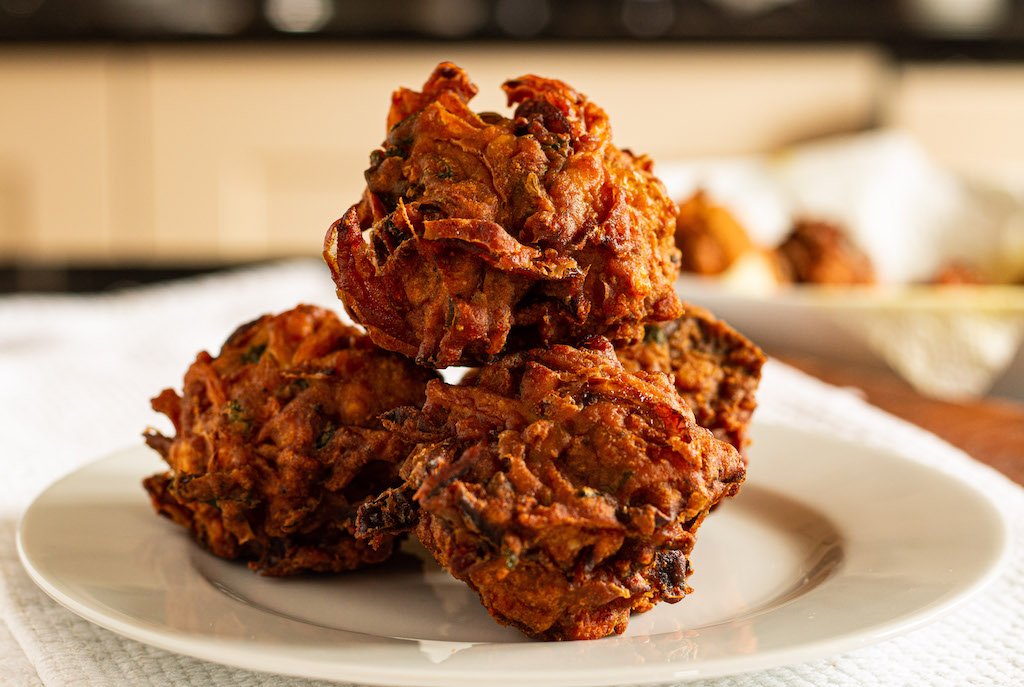
Ever wonder why that first bite of an 'indian food onion bhaji' at your favorite restaurant is so addictive? It’s that perfect balance of crispy exterior, tender onion, and aromatic spices. Replicating that restaurant-quality bhaji at home might seem daunting, but with a few key techniques, it’s surprisingly achievable.
At a glance:
- Learn the secrets to creating perfectly crisp onion bhaji every time.
- Master the ideal batter consistency and oil temperature for optimal results.
- Discover common pitfalls and how to avoid them.
- Explore variations and serving suggestions to elevate your bhaji experience.
- Get answers to frequently asked questions about making the best onion bhaji.
The Foundation: Understanding the Essential Elements
The magic of 'indian food onion bhaji' lies in a few core components: the onions themselves, the batter, and the frying technique. Each plays a crucial role in the final product.
- Onions: Red onions are traditionally preferred for their slightly sweet and pungent flavor, but white or yellow onions can work in a pinch. The key is to slice them thinly and evenly – about 2-3mm thick. Inconsistent thickness leads to uneven cooking. A quick salt bath before battering helps draw out excess moisture, contributing to crispier bhajis.
- Batter: Gram flour (besan or chickpea flour) is the traditional base. It provides a slightly nutty flavor and excellent binding properties. The batter should be thick enough to coat the onions without being runny – slightly thicker than pancake batter.
- Spices: Cumin, coriander, turmeric, chili powder, and garam masala create the signature flavor profile. Don't be afraid to adjust the spice levels to your preference. Freshly grated ginger, chopped green chilies (optional), and cilantro add brightness and depth.
- Frying: Deep frying in hot oil (around 350°F or 175°C) is essential for achieving that coveted crispness. Maintaining a consistent oil temperature is crucial to prevent soggy or burnt bhajis.
Crafting the Perfect Bhaji Batter: Consistency is Key
Achieving the right batter consistency is the most critical step. Too thick, and your bhajis will be dense and heavy. Too thin, and the batter will run off the onions, resulting in oily, flat fritters.
Here's a step-by-step guide:
- Combine Dry Ingredients: In a large bowl, whisk together 1 cup of gram flour, 1 tsp cumin seeds, 1 tsp coriander powder, 1 tsp red chili powder (adjust to taste), 1/2 tsp turmeric powder, 1/2 tsp garam masala, and 1/4 tsp baking soda.
- Add Fresh Flavors: Stir in 1 finely chopped green chili (optional), 2 tbsp chopped fresh cilantro, and 1 tbsp grated ginger.
- Incorporate Onions: Pat 2 thinly sliced red onions dry with paper towels and add them to the dry mixture.
- Gradually Add Water: Pour in 1 tbsp of lemon juice. Start adding water, 1 tablespoon at a time, while mixing with your hands. Aim for a batter that coats the onions completely but still allows you to see individual onion strands. You'll likely need between 1/4 and 1/3 cup of water.
- Rest the Batter: Allow the batter to rest for 10 minutes. This allows the flour to hydrate and the spices to infuse into the onions.
Troubleshooting Batter Issues:
- Too Thick: Add water, 1 teaspoon at a time, until the desired consistency is reached.
- Too Thin: Add more gram flour, 1 tablespoon at a time, until the batter thickens.
Pro Tip: The best way to test the batter consistency is to pick up a clump of battered onions with a spoon. If the batter clings well to the onions and forms a cohesive mass, it's ready to go.
Frying Like a Pro: Temperature and Technique
Frying is where the magic happens. The right oil temperature and frying technique are essential for achieving crispy, golden-brown bhajis.
Here's a breakdown:
- Heat the Oil: Pour oil into a deep, heavy-bottomed pot to a depth of at least 2 inches. Heat the oil to 350°F (175°C). Use a thermometer to ensure accurate temperature control.
- Fry in Batches: Working in batches of 4-5 bhajis, gently drop clumps of battered onions into the hot oil. Avoid overcrowding the pan, as this will lower the oil temperature and result in soggy bhajis.
- Fry Until Golden Brown: Fry for about 2-3 minutes until golden brown, then flip and cook for another 1-2 minutes.
- Drain the Excess Oil: Remove the bhajis with a slotted spoon and place them on paper towels to drain excess oil.
Common Frying Mistakes and How to Avoid Them:
- Oil Not Hot Enough: The bhajis will absorb too much oil and become soggy. Wait until the oil reaches 350°F (175°C) before adding the batter.
- Oil Too Hot: The bhajis will burn on the outside before cooking through on the inside. Reduce the heat slightly.
- Overcrowding the Pan: The oil temperature will drop, resulting in soggy bhajis. Fry in smaller batches.
Case Snippet: A home cook consistently struggled with soggy bhajis until they invested in a deep-fry thermometer. Maintaining a consistent oil temperature proved to be the key to achieving consistently crispy results.
Beyond the Basics: Flavor Variations and Serving Suggestions
While the classic onion bhaji recipe is delicious on its own, there are endless possibilities for customization and creative serving.
Flavor Variations:
- Add Vegetables: Incorporate finely chopped spinach, grated potato, cauliflower florets, or shredded carrots into the batter.
- Spice It Up: Experiment with different spice combinations. Add a pinch of asafoetida (hing) for a unique flavor, or increase the amount of chili powder for extra heat.
- Herb Infusion: Use different herbs like mint, coriander, or curry leaves to create unique flavor profiles.
Serving Suggestions: - Classic Dip: Serve with tamarind chutney, mint chutney, or raita (yogurt dip).
- Bhaji Wrap: Use bhajis as filling for a wrap with lettuce, tomatoes, and your favorite chutney.
- Bhaji Salad: Crumble bhajis over a salad for added texture and flavor.
- Side Dish: Serve alongside your favorite Indian curries or rice dishes.
Data Point: Serving with cucumber raita instead of tamarind chutney can cut sugar content by 65%, offering a healthier alternative.
Want to dive deeper into the world of crispy, homemade Indian snacks? Make onion bhaji yourself! You'll find even more tips and tricks to perfect your technique.
Practical Playbook: From Prep to Plate
Let's break down the entire process into actionable steps:
Preparation (15 minutes):
- Slice 2 large red onions thinly (2-3mm).
- Sprinkle sliced onions with 1/2 tsp salt, toss, and let sit for 5 minutes to draw out moisture.
- In a large bowl, whisk together dry spices: 1 cup gram flour, 1 tsp cumin seeds, 1 tsp coriander powder, 1 tsp red chili powder, 1/2 tsp turmeric powder, 1/2 tsp garam masala, 1/4 tsp baking soda.
- Add 1 finely chopped green chili (optional), 2 tbsp chopped fresh cilantro, and 1 tbsp grated ginger to the dry ingredients.
Battering (5 minutes): - Pat salted onions dry with paper towels and add them to the spice mixture.
- Pour in 1 tbsp lemon juice.
- Gradually add water (1/4 to 1/3 cup), 1 tbsp at a time, mixing until a thick batter coats the onions.
- Rest batter for 10 minutes.
Frying (15-20 minutes): - Heat oil in a deep pot to 350°F (175°C).
- Drop spoonfuls of battered onions into the hot oil in batches of 4-5.
- Fry for 2-3 minutes per side until golden brown.
- Remove with a slotted spoon and drain on paper towels.
Serving: - Serve hot with your favorite chutney or dip.
Quick Answers: Common Questions About Onion Bhaji
Q: My bhajis are always soggy. What am I doing wrong?
A: Soggy bhajis are usually caused by incorrect oil temperature or overcrowding the pan. Ensure your oil is consistently at 350°F (175°C) and fry in small batches. Also, make sure to drain the onions of excess moisture before adding them to the batter.
Q: Can I use all-purpose flour instead of gram flour?
A: While you can substitute all-purpose flour, the texture and flavor will be different. Gram flour provides a distinct nutty flavor and a slightly coarser texture that is characteristic of 'indian food onion bhaji'.
Q: How can I make my bhajis healthier?
A: Try air frying or baking them instead of deep frying. You can also add more vegetables to the batter or use sprouted gram flour for increased protein and nutrient availability.
Q: Can I prepare the batter in advance?
A: Yes, you can prepare the batter up to 2 hours in advance and keep it refrigerated. Let it come to room temperature for 10 minutes before frying.
Q: What's the best way to reheat leftover bhajis?
A: Preheat your oven to 350°F (175°C). Place the bhajis on a baking sheet and heat for about 10 minutes until crispy. Avoid microwaving, as this will make them soggy.
Take Action Today: Your Path to Perfect Bhajis
Armed with these tips and techniques, you’re ready to create restaurant-quality 'indian food onion bhaji' in your own kitchen. Start with the classic recipe, perfect your batter consistency and frying technique, and then explore the endless possibilities for flavor variations and creative serving. The key is to practice, experiment, and most importantly, enjoy the process. Soon, you'll be serving up crispy, flavorful bhajis that will impress your family and friends.
