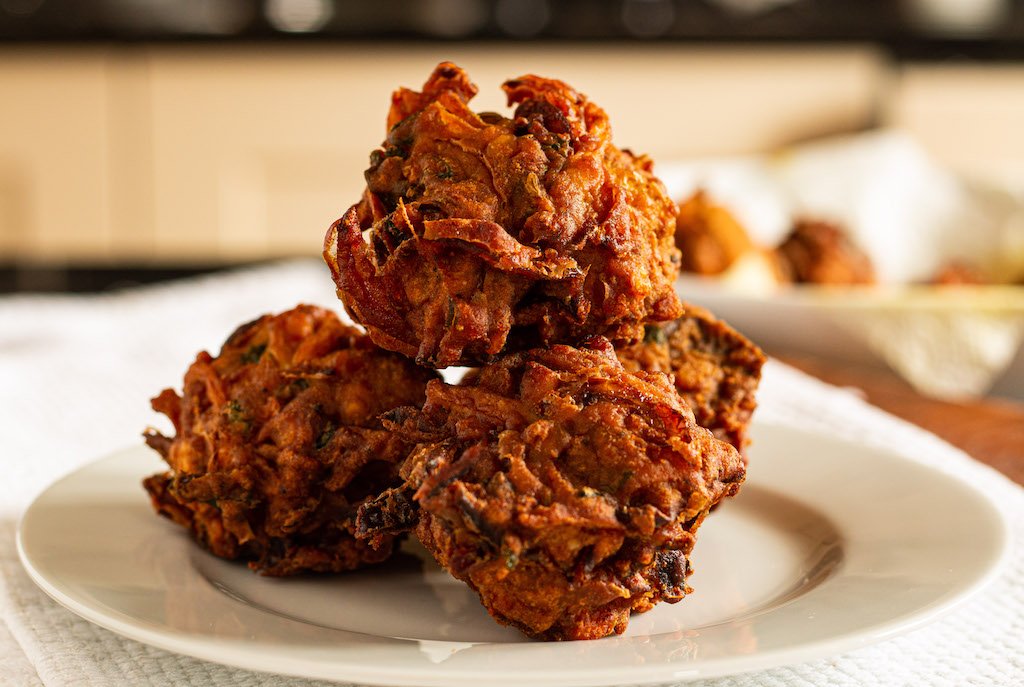
Ever crave that perfect, shatteringly crisp onion bhaji Indian restaurants nail, but struggle to replicate it at home? The secret isn't just the recipe, it's understanding the nuances of the batter, the onions, and the oil temperature. Let’s unlock those secrets together.
At a glance:
- Learn how salting and prepping your onions makes a huge difference in crispiness.
- Discover the ideal batter consistency to avoid soggy bhajis.
- Master oil temperature control for even cooking and golden-brown perfection.
- Explore regional variations and healthy alternatives.
- Get troubleshooting tips to banish common bhaji blunders.
The Foundation: Onion Prep for Ultimate Crispness
Most home cooks skip a crucial step: properly prepping the onions. This isn't just about getting them thinly sliced—although that's important (aim for 2-3mm thick). It's about drawing out excess moisture, which is the enemy of crispness.
Here's the deal:
- Thin Slices are Key: Use a mandoline for consistent thickness. Uniform slices cook evenly.
- The Salting Secret: Toss the sliced onions with a generous pinch of salt and let them sit for 5-10 minutes. You'll see moisture beading on the surface.
- Pat Them Dry: Use paper towels to thoroughly pat the salted onions dry. This step is non-negotiable.
Why this works: Salt draws out water through osmosis. Less water = crispier bhaji. Think of it like prepping vegetables before roasting – same principle.
Building the Perfect Bhaji Batter: Consistency is King
The batter is more than just a binder; it's the carrier of flavor and the key to achieving that coveted crispy texture. Too thick, and you'll end up with heavy, doughy bhajis. Too thin, and the batter will slide right off the onions.
The Ideal Batter Ratio:
- Main Ingredients: Gram flour (besan) is traditional. While all-purpose flour can be substituted, you'll lose some of the distinctive nutty flavor and get a less crispy result.
- Spice Power: Cumin (seeds or powder), coriander powder, chili powder (adjust to your spice tolerance), turmeric, and garam masala are your base.
- Fresh Zing: Don't skimp on the fresh elements: minced green chili, chopped cilantro, and grated ginger add brightness.
- The Wet Stuff: Water and Lemon juice.
Step-by-Step Batter Mastery:
- Combine Dry Ingredients: In a bowl, whisk together the gram flour, spices, and a pinch of baking soda (for extra lift).
- Add Fresh Ingredients: Stir in the green chili, cilantro, and ginger.
- The Gradual Wet Incorporation: Pat the onions dry, add them to the dry mix. Add lemon juice. Gradually add water, a tablespoon at a time, mixing continuously. Aim for a thick batter that clings to the onions without being too gloopy. Think of it like pancake batter, but slightly thicker. You're aiming for a batter that coats, not drowns, the onions. You should use 1/4 - 1/3 cup water (depending on the day)
- The Resting Period: Let the batter rest for 10 minutes. This allows the flour to fully hydrate, resulting in a smoother, more cohesive batter. Also allows the spices to meld.
Batter Troubleshooting:
- Too Thick: Add a teaspoon of water at a time until you reach the desired consistency.
- Too Thin: Add a tablespoon of gram flour at a time until the batter thickens.
The Heat is On: Deep-Frying Prowess
Achieving the right oil temperature is crucial for evenly cooked, non-greasy bhajis. Too hot, and they'll burn on the outside while remaining raw inside. Too cold, and they'll soak up oil like a sponge.
The Goldilocks Zone:
- Target Temperature: 350°F (175°C) is the sweet spot. Use a deep-fry thermometer to monitor the oil temperature. Don't eyeball it.
- Oil Selection: Vegetable, sunflower, or peanut oil are all good choices for deep-frying due to their high smoke points.
- Batch Size Matters: Don't overcrowd the pot. Fry in batches of 4-5 bhajis at a time to maintain oil temperature.
Frying Like a Pro:
- Heat the Oil: Heat the oil in a deep pot or fryer until it reaches 350°F (175°C).
- Gentle Drop: Carefully drop spoonfuls of the onion mixture into the hot oil.
- Golden Brown Glory: Fry for 2-3 minutes per side, or until golden brown and crispy.
- Drain the Excess: Remove the bhajis from the oil with a slotted spoon and place them on paper towels to drain excess oil. Serve immediately.
Oil Temperature Tips:
- Temperature Drops: If the oil temperature drops significantly after adding the bhajis, wait for it to recover before adding the next batch.
- Smoke Signals: If the oil starts smoking, reduce the heat immediately.
- Reusing Oil: You can reuse frying oil 2-3 times. Strain it through a fine-mesh sieve to remove any food particles.
If you're looking for a more complete guide to making the perfect onion bhaji, Here are a few options, keeping context in mind: * Make Crispy Onion Bhaji * Onion Bhaji Home Recipe * Crispy Bhaji Recipe Here * Homemade Onion Bhaji Guide.
Beyond the Basics: Regional Twists and Healthy Swaps
The beauty of Indian cooking lies in its diversity. Onion bhaji is no exception.
Regional Riffs:
- South Indian Style: Incorporate curry leaves and grated coconut into the batter for a distinctive aroma and flavor.
- Gujarati Sweetness: Use milder spices and serve with a sweet tamarind chutney.
- Maharashtrian Kanda Bhaji: A spicier version, often served with a fiery garlic chutney.
Healthier Horizons: - Air Fryer Magic: Air frying provides a significantly healthier alternative to deep-frying. Preheat your air fryer to 380°F (190°C) and cook the bhajis for 12-15 minutes, flipping halfway through. You'll get a surprisingly crispy result with much less oil. Approximately 75% less oil.
- Baked Bhajis: Bake the bhajis in a preheated oven at 425°F (220°C) for 15-20 minutes, flipping halfway through.
- Veggie Boost: Add grated carrot or zucchini to the batter for extra nutrients and flavor.
Common Pitfalls and How to Avoid Them
Even experienced cooks can run into bhaji trouble. Here's how to troubleshoot common issues:
| Problem | Solution |
|---|---|
| Soggy Bhajis | Ensure onions are thoroughly dried. Use the correct batter consistency. |
| Burnt on the Outside | Reduce oil temperature. Fry in smaller batches. |
| Raw Inside | Increase oil temperature slightly. Cut onions thinner. Fry longer. |
| Too Oily | Maintain proper oil temperature. Drain bhajis thoroughly on paper towels. |
| Batter Sliding Off Onions | Ensure onions are patted dry before adding the batter. Thicken the batter slightly. |
| Bhajis Sticking Together | Fry in smaller batches. Use enough oil. |
Smart Serving Suggestions for Maximum Impact
Onion bhaji Indian style shines on its own, but it pairs beautifully with a variety of accompaniments.
Traditional Pairings:
- Chutneys are Key: Mint chutney and tamarind chutney are classic choices.
- Cooling Raita: A cooling yogurt-based raita provides a refreshing contrast to the spicy bhajis.
Creative Twists: - Chaat-Style: Crush the bhajis and top with yogurt, chutneys, and sev (crispy chickpea noodles) for a flavorful chaat.
- Fusion Fun: Use the bhajis as a topping for burgers or sandwiches.
Quick Answers to Burning Questions
- Can I make the batter ahead of time? Yes, you can prepare the batter up to a few hours in advance. Store it in the refrigerator. You may need to add a little water to thin it out before frying.
- Can I freeze onion bhajis? Yes, you can freeze cooked bhajis. Freeze them individually on a baking sheet, then transfer them to a freezer bag. Reheat in the oven or air fryer.
- Are onion bhajis gluten-free? Yes, if you use gram flour (besan).
- How can I make onion bhajis spicier? Add more chili powder or finely chopped green chilies to the batter.
- Why are my onion slices sticking together? Make sure your knife is sharp enough and use a mandoline to get even slices.
Your Onion Bhaji Indian Fritter Playbook
Quick Start Guide:
- Slice red onions thinly (2-3mm).
- Salt the onions and let them sit for 5-10 minutes. Pat dry.
- Prepare gram flour batter with spices, fresh chili/ginger/cilantro.
- Let batter rest for 10 minutes.
- Heat oil to 350°F (175°C).
- Fry spoonfuls of batter until golden brown.
- Drain on paper towels and serve immediately.
Mastering onion bhaji Indian style is a journey of understanding the fundamentals. By focusing on onion prep, batter consistency, and oil temperature, you'll be well on your way to creating crispy, flavorful bhajis that rival your favorite restaurant. Experiment with different spices and variations to create your own signature bhaji!
