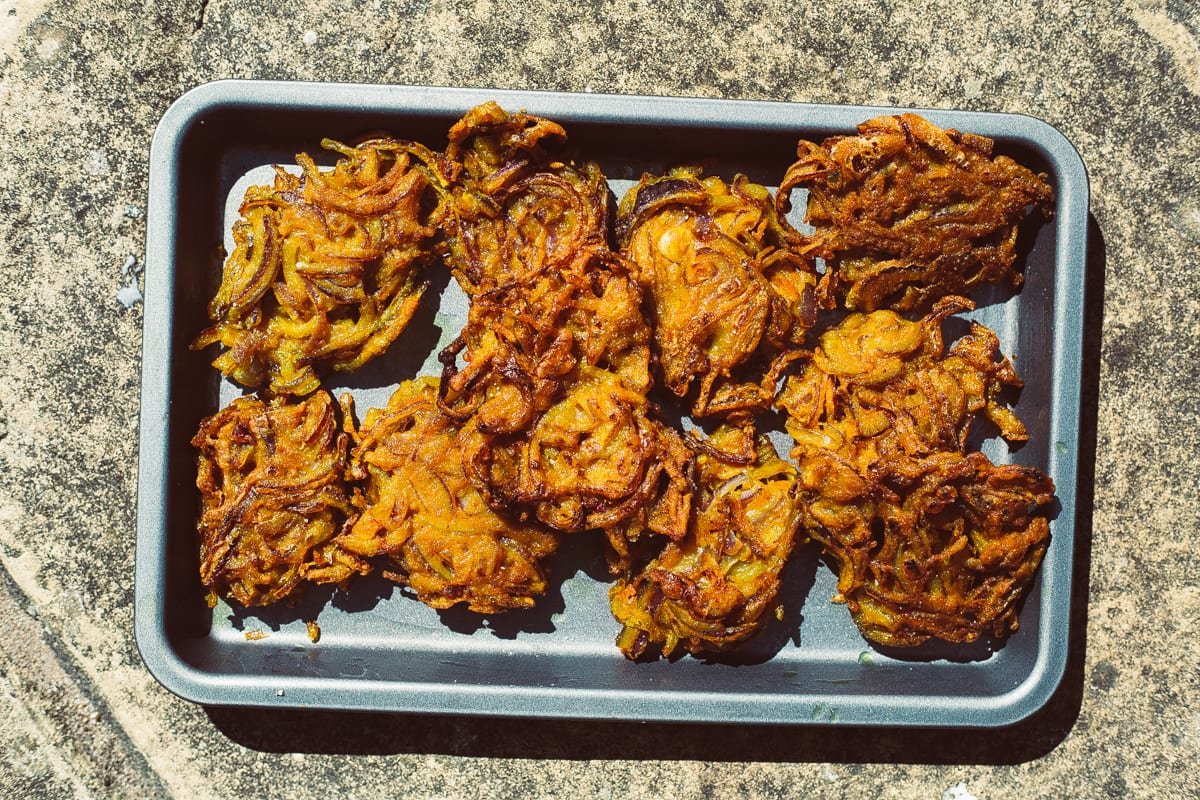
Ever crave that perfectly crispy, savory treat from your favorite Indian restaurant? The secret weapon for many home cooks achieving restaurant-quality onion bhajis is a pre-made onion bhaji mix. But which one is right for you, and how do you use it to its full potential?
At a glance:
- Learn the pros and cons of using an onion bhaji mix versus making it from scratch.
- Discover the key ingredients to look for in a quality mix.
- Master the art of achieving a crispy, not soggy, bhaji.
- Troubleshoot common problems like blandness or uneven cooking.
- Explore creative ways to customize your bhaji mix for unique flavors.
Onion Bhaji Mix: Convenience vs. Control
The allure of an onion bhaji mix is undeniable: you sidestep sourcing individual spices and nailing that perfect gram flour-to-water ratio. But is it always the best choice?
When deciding, consider these factors:
- Time. Mixes dramatically cut prep time. If you're short on time, a mix is your friend.
- Spice Rack Inventory. Do you have all the necessary spices (cumin, coriander, turmeric, chili powder, garam masala) on hand? If not, a mix saves a trip to the store.
- Taste Preference. Pre-made mixes offer consistency, but lack the creative control to tailor the spice blend to your exact liking.
- Dietary Needs. Premade mixes may not be suitable for those with allergies or on specific diets.
- Cost. Making your own mix from scratch is generally more economical in the long run, but requires an initial investment in spices.
If you want to dive into making everything from scratch, check out the full guide on make onion bhaji at home. You'll find all the details on creating the perfect batter and frying technique.
Decoding the Label: What's Really in Your Onion Bhaji Mix?
Not all onion bhaji mixes are created equal. A high-quality mix will use good ingredients and be carefully balanced. Here's what to look for:
- Gram Flour (Besan): This should be the primary ingredient. Check for a fine, even texture.
- Spices: Look for a clearly listed spice blend. Avoid mixes with vague terms like "spices" without further clarification. Bonus points for mixes that specify the types of chili powder (e.g., Kashmiri for color, cayenne for heat).
- Acidity Regulator: Some mixes include citric acid or similar ingredients. These can enhance the crispness, but too much can create a slightly sour taste.
- Additives/Preservatives: Opt for mixes with minimal additives. A shorter ingredient list is usually a good sign.
- Salt Content: Pre-made mixes can be high in sodium. Check the label and adjust accordingly.
Quick Example: - Good Mix: Gram Flour, Onion Flakes, Coriander Powder, Cumin Powder, Turmeric Powder, Red Chili Powder, Dried Mango Powder, Salt, Citric Acid.
- Less Ideal Mix: Gram Flour, Dehydrated Vegetables, Spices, Salt, Flavor Enhancer (MSG), Preservatives.
Achieving Bhaji Perfection: Mix Mastery Tips
So, you've got your onion bhaji mix. Now it's time to fry! Here’s how to guarantee crispy, delicious results:
- Hydration is Key: Most mixes require you to add water. Slowly incorporate water, a tablespoon at a time, until you achieve a thick, coating consistency. The batter shouldn't be runny; it should cling to the onions. Think: thick pancake batter.
- Onion Prep: While the mix handles the spices, your onion prep still matters. Thinly slice your onions (2-3mm thick, like the thickness of a coin). Some pre-made mixes include dehydrated onion, but fresh is best.
- Resting Period: Let the batter rest for at least 10 minutes. This allows the gram flour to fully absorb the water and the spices to bloom.
- Oil Temperature: This is crucial. Aim for 350°F (175°C). Use a thermometer for accuracy. If you don't have one, test with a small piece of batter: it should sizzle and turn golden brown in about 2-3 minutes.
- Batch Size: Don't overcrowd the pan! Fry in small batches (4-5 bhajis at a time) to maintain the oil temperature.
- Draining: Immediately after frying, place the bhajis on paper towels to drain excess oil.
Beyond the Basics: Flavor Customization
Don't be afraid to experiment! An onion bhaji mix is a great base to build from. Try these additions:
- Fresh Herbs: Chopped cilantro, mint, or curry leaves add brightness.
- Spice Boost: A pinch of garam masala, amchur (dried mango powder), or chaat masala enhances the flavor profile.
- Vegetable Variety: Finely grated potatoes, spinach, or cauliflower add texture and nutrients.
- Heat Factor: Add finely chopped green chilies or a dash of cayenne pepper for extra spice.
- Aromatic Touch: A teaspoon of ginger-garlic paste adds a savory depth.
Example: A basic mix gets a vibrant twist with 1/4 cup chopped cilantro, 1/2 teaspoon garam masala, and 1 finely chopped green chili.
Troubleshooting Common Onion Bhaji Mix Problems
Even with a mix, things can go wrong. Here's how to troubleshoot:
- Soggy Bhajis:
- Cause: Batter too wet, oil not hot enough, overcrowding the pan.
- Solution: Adjust batter consistency, increase oil temperature, fry in smaller batches.
- Bland Bhajis:
- Cause: Insufficient spice in the mix, onions overpowering the flavor.
- Solution: Add extra spices (garam masala, chili powder), use a higher-quality mix.
- Burnt Bhajis:
- Cause: Oil too hot, bhajis cooking too long.
- Solution: Reduce oil temperature, shorten cooking time.
- Unevenly Cooked Bhajis:
- Cause: Onions not thinly sliced, oil temperature inconsistent.
- Solution: Ensure even onion slices, monitor and maintain oil temperature.
Quick Answers: Onion Bhaji Mix FAQs
- Q: Can I use all-purpose flour instead of gram flour with a mix?
- A: While possible, it’s not recommended. Gram flour provides a unique flavor and texture. If you must substitute, use a 50:50 mix of all-purpose flour and rice flour for a slightly crispier result.
- Q: My bhaji mix is too salty. What can I do?
- A: Add a squeeze of lemon juice to the batter to balance the saltiness. You can also add a small amount of sugar. Serve with cooling yogurt raita.
- Q: Can I bake or air fry onion bhajis made with a mix?
- A: Yes! While deep-frying is traditional, baking or air frying are healthier options. Spray with oil and bake at 400°F (200°C) for 15-20 minutes, flipping halfway through. For air frying, use 380°F (190°C) for 12-15 minutes. The texture will be different.
Your Onion Bhaji Mix Playbook
Ready to create bhaji magic? Here's a quick start guide:
- Choose Your Mix: Select a high-quality mix with clearly listed ingredients, favoring natural spices over additives.
- Prep Your Onions: Thinly slice 2 large red onions.
- Hydrate the Mix: Slowly add water to the mix until a thick, coating consistency is achieved.
- Combine: Gently fold the onions into the batter.
- Rest: Let the mixture rest for 10 minutes.
- Fry: Heat oil to 350°F (175°C) and fry in small batches until golden brown and crispy.
- Drain: Place on paper towels to remove excess oil.
- Serve: Enjoy hot with your favorite chutneys!
With the right onion bhaji mix and these tips, you’re well on your way to creating a delicious restaurant-worthy snack, all from the comfort of your kitchen.
