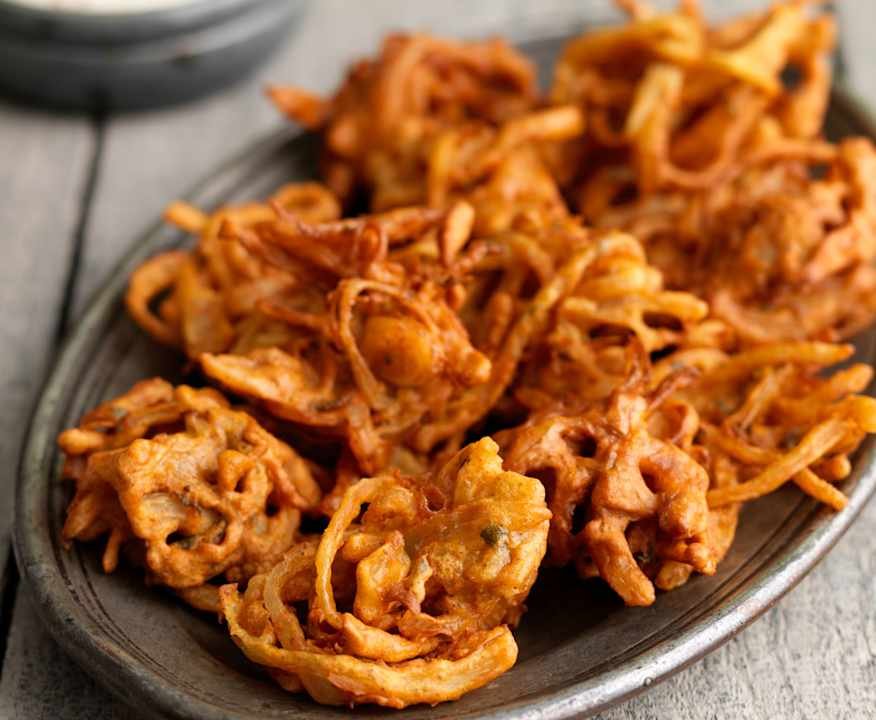
Craving those perfectly crispy onion bhajis you get at your favorite Indian restaurant? The secret's in the details, and replicating that restaurant-quality crunch at home is absolutely achievable. Mastering a great onion bhaji recipe involves more than just throwing ingredients together; it's about understanding the science behind the crispness and flavor.
At a glance:
- Learn the critical ratio of ingredients for the perfect balance of onion and batter.
- Discover the techniques to extract moisture from onions for ultimate crispiness.
- Master oil temperature control for even cooking and avoid soggy bhajis.
- Explore spice variations to customize your bhaji's flavor profile.
- Troubleshoot common issues like flat or oily bhajis.
The Foundation of a Flawless Onion Bhaji Recipe
The best onion bhaji recipe isn't just a list of ingredients; it's a blueprint for creating the ideal texture and taste. It starts with quality ingredients and an understanding of their roles.
Understanding the Key Ingredients
- Onions: The star of the show. Yellow or brown onions are common, but experiment with red onions for a slightly sweeter flavor. The key is to slice them thinly and uniformly, about 1/8 inch thick. Aim for approximately 2 cups (200g) of sliced onions per batch.
- Gram Flour (Besan): This flour, made from ground chickpeas, is the traditional binder. Its nutty flavor complements the onions beautifully.
- Rice Flour: This crucial addition to your onion bhaji recipe is a secret weapon for achieving that coveted crispness. Use roughly half the amount of rice flour as gram flour.
- Spices: Cumin, coriander, turmeric, chili powder, and garam masala are common choices. Ajwain (carom seeds) adds a unique, thymol-like flavor that aids digestion. Fresh ginger and garlic provide aromatic depth.
- Oil: Choose a high smoke point oil like steam-refined organic coconut oil or vegetable oil for deep-frying.
The Perfect Onion-to-Batter Ratio
Finding the right balance between onions and batter is critical. Too much batter, and you'll end up with dense, doughy fritters. Too little, and the bhajis will fall apart.
- The Sweet Spot: Aim for a ratio of approximately 2 cups of sliced onions to 1 cup of gram flour. Adjust the amount of water to achieve the right consistency, but remember, less is more!
Unlocking the Secrets to Ultimate Crispiness
Crispiness is the holy grail of any good onion bhaji recipe. Here's how to achieve it:
The Moisture Extraction Method
Onions contain a lot of water, which, if not properly managed, will lead to soggy bhajis. This process is about drawing out that moisture before frying.
- Salt the Onions: Place the sliced onions in a bowl and sprinkle generously with salt (about 1 teaspoon).
- Massage and Rest: Gently massage the salt into the onions. This helps break down the cell walls and release moisture. Let them rest for 15-20 minutes. You'll notice a significant amount of liquid accumulating in the bowl.
- Squeeze Out Excess Water: Before adding the onions to the batter, squeeze out as much water as possible. This step is non-negotiable!
Mastering the Batter Consistency
The ideal batter should be thick and clinging, not runny. It should coat the onions without drowning them.
- Dry Ingredients First: In a separate bowl, combine the gram flour, rice flour, spices, and a pinch of baking powder (for extra lightness).
- Add Onions (No Extra Water, Yet!): Add the squeezed onions to the dry ingredients and mix well. The moisture remaining on the onions should be enough to start binding the batter.
- Water, Drop by Drop: If the mixture is too dry, add water one tablespoon at a time, mixing thoroughly after each addition. You want a thick, dropping consistency. The batter should coat the back of a spoon.
Oil Temperature: Your Key to Success
Maintaining the correct oil temperature is crucial for even cooking and maximum crispiness.
- The Goldilocks Zone: Aim for an oil temperature of 180°C/355°F. Use a deep-fry thermometer to ensure accuracy.
- Too Low: Oil that's not hot enough will result in soggy, oily bhajis. The batter will absorb the oil instead of crisping up.
- Too High: Oil that's too hot will burn the outside of the bhajis before the inside is cooked through.
- The Drop Test: If you don't have a thermometer, drop a tiny bit of batter into the oil. If it sizzles immediately and floats to the surface, the oil is ready. If it sinks, the oil is not hot enough.
Frying Technique: Avoiding Common Pitfalls
- Don't Overcrowd the Pan: Fry the bhajis in batches to prevent the oil temperature from dropping too much. Overcrowding the pan lowers the oil temperature, leading to soggy bhajis and uneven cooking.
- Gentle Placement: Carefully drop spoonfuls of the batter into the hot oil. Avoid splattering.
- Turning and Monitoring: Fry for 3-4 minutes per side, turning once, until golden brown and crispy.
- Double Frying (Optional): For extra crispiness, refry the bhajis for 1-2 minutes after the initial frying. This removes any residual moisture and creates an even more satisfying crunch.
- Drain Excess Oil: Remove from the oil and drain on kitchen paper or, even better, in a colander set over a bowl. This allows the oil to drip away, preventing soggy bottoms.
Spice Variations: Tailoring Your Bhajis to Perfection
While the basic onion bhaji recipe is delicious on its own, experimenting with spices can create a unique flavor profile.
- Classic Spice Blend: 1 teaspoon chili powder, 1 teaspoon turmeric powder, 1 teaspoon coriander powder, 1/2 teaspoon garam masala, 1/2 teaspoon ajwain seeds.
- Spicy Kick: Add 1-2 finely chopped green chilies to the batter.
- Earthy Notes: Add 1/2 teaspoon of cumin powder.
- Fresh Herbs: Incorporate chopped cilantro or mint for a burst of freshness.
- Garlic Lovers: Add an extra clove of minced garlic.
Consider your audience and personal preferences when adjusting the spices. Start with small amounts and taste as you go.
Here are a few options, depending on the surrounding context: * Make amazing onion bhaji * Onion Bhaji: a Simple Recipe * Crispy Onion Bhaji Recipe * Learn to cook bhaji for a helpful overview.
Troubleshooting Common Onion Bhaji Problems
Even with the best onion bhaji recipe, things can sometimes go wrong. Here's how to troubleshoot common issues:
- Soggy Bhajis:
- Cause: Insufficient moisture extraction, oil temperature too low, overcrowding the pan.
- Solution: Ensure you salt and squeeze the onions properly. Maintain the correct oil temperature. Fry in smaller batches. Refry for 1-2 minutes.
- Flat Bhajis:
- Cause: Too much water in the batter, insufficient binding.
- Solution: Add a little more gram flour to the batter to thicken it. Make sure you don't add too much water initially.
- Burnt Bhajis:
- Cause: Oil temperature too high.
- Solution: Lower the heat and monitor the oil temperature closely.
- Bhajis Falling Apart:
- Cause: Insufficient batter, onions sliced too thick.
- Solution: Make sure you have enough batter to bind the onions. Slice the onions thinly and uniformly.
- Bhajis not crispy enough:
- Cause: Not enough rice flour in the recipe
- Solution: Add more rice flour to the recipe to increase crispiness.
Making Your Onion Bhaji Recipe Vegan and Gluten-Free
This onion bhaji recipe is naturally vegetarian and vegan. To ensure it's gluten-free:
- Use Gluten-Free Bread (Optional): If you're adding bread for extra crispiness, make sure it's certified gluten-free.
- Check Spice Labels: Some spice blends may contain hidden gluten ingredients. Always check the labels.
Quick Answers: Common Questions About Onion Bhaji Recipe
Q: Can I use all-purpose flour instead of gram flour?
A: While you can, it won't be the same. Gram flour has a unique flavor and binding properties that all-purpose flour lacks. The texture and taste will be significantly different.
Q: Can I bake or air fry onion bhajis?
A: Yes, you can air fry them. Bake only as a last resort. For air frying, preheat your air fryer to 170°C/340°F. Shape the bhaji mixture into small patties, spray them with oil, and cook for 10-12 minutes, flipping halfway through. Baking will not get the correct texture.
Q: Can I make the batter ahead of time?
A: It's best to make the batter fresh. If you must prepare it in advance, store it in the refrigerator for no more than a few hours. The onions will continue to release moisture, so you may need to adjust the consistency before frying.
Q: What's the best chutney to serve with onion bhajis?
A: Mint-cilantro chutney, tamarind chutney, and yogurt raita are all excellent choices.
Q: Can I add other vegetables to my onion bhajis?
A: Absolutely! Consider adding thinly sliced potatoes, spinach, or cauliflower for a mixed vegetable bhaji.
Your Onion Bhaji Playbook: From Prep to Plate
Ready to put your knowledge into action? Here's a quick-start guide to ensure onion bhaji success:
- Prep Onions: Thinly slice 2 cups of onions, salt them, and let them rest for 15-20 minutes. Squeeze out excess water.
- Make Batter: Combine 1 cup gram flour, 1/2 cup rice flour, spices (see variations above), and a pinch of baking powder. Add the squeezed onions and mix. Add water sparingly until you reach a thick, dropping consistency.
- Heat Oil: Heat oil to 180°C/355°F in a deep pan.
- Fry Bhajis: Drop spoonfuls of batter into the hot oil, frying in batches. Fry for 3-4 minutes per side, until golden brown and crispy.
- Drain and Serve: Drain on kitchen paper or a colander. Serve hot with your favorite chutney.
Mastering the onion bhaji recipe is all about practice and attention to detail. Applying these tips will help you create restaurant-quality bhajis right in your own kitchen!
