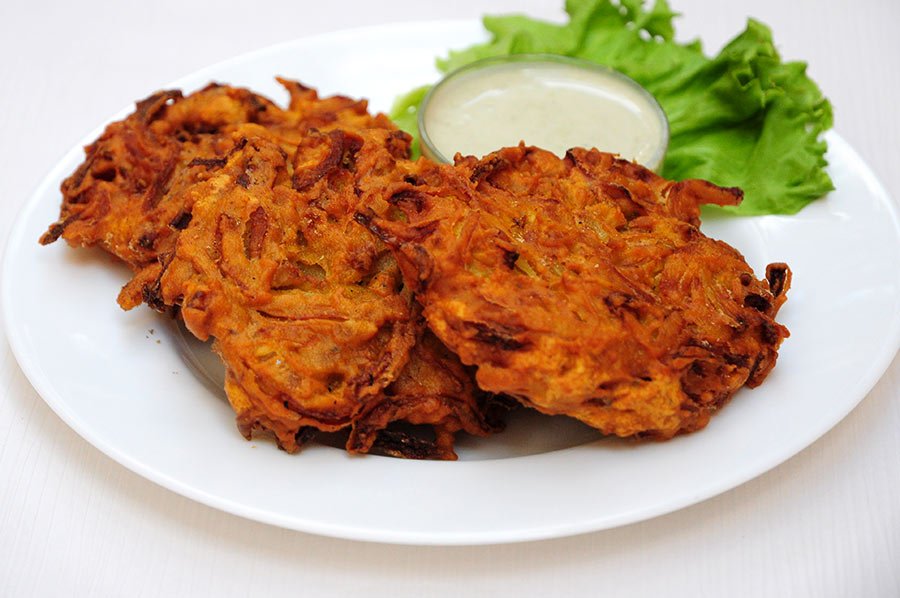
Ever wondered what those crispy, golden snacks are at your favorite Indian restaurant? Chances are, you’ve encountered bhaji. This fried delight is more than just a tasty treat; it's a cultural staple across the Indian subcontinent.
At a Glance:
- Discover the core ingredients that make up a delicious bhaji.
- Learn about the regional variations that add unique flavors to this snack.
- Understand the difference between bhaji and pakora.
- Get practical tips for achieving the perfect crispy texture at home.
- Explore serving suggestions to complement your bhaji experience.
Bhaji Basics: Unveiling the Key Ingredients
So, what is bhaji? At its heart, bhaji is a fried snack consisting of vegetables dipped in a spiced gram flour batter and deep-fried until golden and crispy. While the variations are endless, certain ingredients form the foundation of this beloved snack.
- The vegetable: Onion is perhaps the most popular choice (
kanda bhajiin Maharashtra), but you'll find bhaji made with potatoes, eggplant, chili peppers, spinach, cauliflower, or mixed vegetables. - The binder: Gram flour, also known as besan, is the star here. Made from ground chickpeas, it's naturally gluten-free and lends a distinctive nutty flavor.
- The flavor boosters: Spices are crucial for authentic bhaji. Common choices include turmeric, red chili powder, cumin seeds, coriander powder, and ajwain (carom seeds), which aids digestion. Fresh ingredients like green chilies and coriander leaves add a vibrant touch.
Bhaji vs. Pakora: What's the Difference?
This is a question that often pops up! In many parts of India (outside of the South and West), the terms bhaji and pakora are used interchangeably. However, there’s a subtle distinction. Bhaji often refers specifically to onion-based fritters or those made with a single vegetable, while pakora can encompass a wider range of deep-fried vegetable selections. Ultimately, it often comes down to regional dialect and preference.
Regional Bhaji Variations: A Culinary Journey
The beauty of bhaji lies in its adaptability. Each region in India has put its unique stamp on this classic snack, resulting in a delightful array of flavors and textures.
- South India: Expect the addition of curry leaves and grated coconut for a fragrant and slightly sweet twist. They are often called bonda here.
- Gujarat: Bhajis here lean towards milder spices, sometimes incorporate fennel or sesame seeds, and are often paired with a sweet tamarind chutney. They may also be called gota when using green fenugreek leaves.
- Maharashtra: The infamous kanda bhaji (onion bhaji) is a staple, often served with fried green chilies and a fiery dry garlic chutney.
- British-Indian Restaurants: These often serve a chunkier version using a thick, sometimes slightly undercooked, batter.
Crafting Crispy Bhajis: Essential Techniques
Achieving that perfect crispy exterior is the holy grail of bhaji making. Here's a breakdown of the key steps and insider tips:
- Onion prep is paramount: Thinly slice your onions (red or yellow) and mix them with salt. Let them sit for 10-15 minutes. This draws out excess moisture, preventing soggy bhajis.
- Batter balance: In a bowl, combine the onions with gram flour and your chosen spices. Mix well. The moisture from the onions should be enough to form a thick batter. If needed, add water very sparingly – a tablespoon at a time – until you achieve a coating consistency. The batter should cling to the onions, not run off.
- Spice selection: Experiment with spices to find your preferred blend. A pinch of ajwain not only adds flavor but also aids digestion.
- Temperature control: Heat your oil (vegetable or sunflower) in a deep frying pan to medium heat (around 350°F or 180°C). Too hot, and the bhajis will burn on the outside while remaining raw inside. Too cool, and they'll absorb too much oil and become greasy. Test the oil by dropping in a small dollop of batter. It should sizzle and float to the surface.
- Frying finesse: Gently drop spoonfuls of batter into the hot oil, frying in batches to avoid overcrowding the pan and lowering the oil temperature. Fry until golden brown and crisp, about 4-5 minutes per batch.
- Drainage is key: Remove the bhajis with a slotted spoon and place them on paper towels to drain excess oil.
Want to dive deeper into the art of making perfect bhaji? Here are a few options, considering naturalness and context: Make onion bhaji at home. You'll find detailed instructions and even more tips for crispy success.
Serving Suggestions: Elevating Your Bhaji Experience
Bhaji is delicious on its own, but the right accompaniments can elevate it to a whole new level.
- Chutneys: Tamarind chutney (sweet and tangy), mint-coriander chutney (fresh and spicy), and garlic chutney (fiery and pungent) are all classic choices.
- Dips: A cooling mint and yogurt dip provides a refreshing contrast to the richness of the bhaji.
- Beverages: A cup of hot chai or filter coffee is the perfect complement to a plate of hot bhajis.
- Regional twists: In Maharashtra, it's common to serve kanda bhaji with fried green chilies for an extra kick.
Storage and Reheating: Maintaining Crispness
Leftover bhajis can be stored in an airtight container in the refrigerator for up to 2 days. To reheat, preheat your oven or air fryer to 350°F (180°C) and bake or air fry for 5-7 minutes, or until heated through and crispy. Microwaving is not recommended as it will make them soggy.
Quick Answers: Addressing Common Bhaji Questions
Q: Can I use all-purpose flour instead of gram flour?
A: While technically possible, the result won't be the same. Gram flour has a unique flavor and texture that's essential for authentic bhaji. All-purpose flour will result in a denser, less flavorful fritter.
Q: My bhajis are soggy. What am I doing wrong?
A: Several factors can contribute to soggy bhajis: too much water in the batter, overcrowding the pan, frying at too low a temperature, or not draining the bhajis properly after frying.
Q: Can I make bhaji in an air fryer?
A: Yes! Air frying is a healthier alternative to deep-frying. Preheat your air fryer to 375°F (190°C). Lightly spray the bhajis with oil and air fry for 8-10 minutes, flipping halfway through, until golden brown and crispy.
Q: Are bhajis healthy?
A: Bhajis are a treat, not a health food. They are deep-fried, which increases their fat content. However, they are also a good source of protein (from the gram flour) and vegetables. Making them at home allows you to control the ingredients and oil used.
Bhaji From Scratch: Your Quick-Start Guide
Ready to get cooking? Here’s a simplified recipe to get you started:
- Slice 2 medium onions thinly and mix with 1 tsp salt. Let sit for 10 minutes.
- Combine onions with ½ cup gram flour, ½ tsp turmeric, ½ tsp red chili powder, and ¼ tsp cumin powder.
- Add water sparingly (if needed) to form a thick batter.
- Heat oil in a deep pan to medium heat.
- Drop spoonfuls of batter into the oil and fry until golden brown.
- Drain on paper towels and serve hot with your favorite chutney.
Bhaji is a delicious and versatile snack that’s perfect for any occasion. With a little practice, you'll be whipping up batches of crispy, flavorful bhajis in no time. Enjoy!
